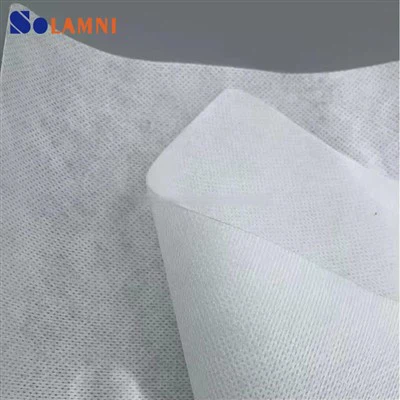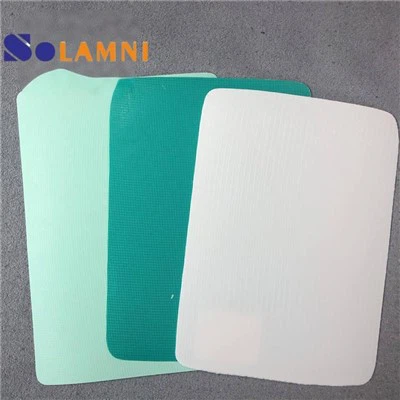
Foam fabric, with its combination of soft cushioning and textile flexibility, is widely used in footwear, apparel, home furnishings, medical devices, and industrial protective equipment. To fully unleash its performance advantages and extend its lifespan, it's essential to master scientific usage techniques in material selection, processing, installation, and daily maintenance to maximize performance and optimize costs.
First, material selection should closely align with the usage environment and functional requirements. The key is to choose a foam layer with appropriate density and pore size based on the load, temperature, humidity, and contact characteristics: For high-impact environments such as sports protective gear or industrial insoles, high-density, small-pore polyurethane foam fabric is recommended to ensure resilience and compression resistance; for humid and hot environments or summer clothing linings, a low-density, large-pore structure combined with a hydrophobic fiber surface layer can improve breathability and moisture wicking efficiency. The fiber type of the surface fabric also needs careful consideration: cotton is skin-friendly but less abrasion-resistant, while polyester is abrasion-resistant and wrinkle-resistant but has slightly lower breathability; blends can achieve a balance between the two.
Secondly, precision and damage prevention are crucial in cutting and shaping. Because foam is prone to fraying, sharp, non-stick cutting tools should be used, and the cutting speed and pressure should be controlled to ensure a clean cut. For complex contours, CNC or laser cutting equipment is recommended to ensure consistent dimensions and reduce material waste. Avoid excessive stretching or folding during shaping to prevent permanent deformation of the foam structure or fiber breakage, which would affect resilience and appearance.
In the bonding and installation process, the key is to ensure a strong bond between layers and even stress distribution. When using adhesive bonding, select an environmentally friendly adhesive based on the chemical compatibility of the fabric and foam, apply it evenly, and apply moderate pressure to prevent delamination or localized bulging. For hot pressing, precise temperature and pressure settings are essential to avoid excessive softening of the foam or scorching of the fabric. For sewing, pay attention to stitch spacing and tension to ensure no damage to the foam core layer. Large-area bonding can be done in sections, removing air bubbles and wrinkles area by area to maintain overall flatness.
Daily maintenance and environmental control are equally critical. Avoid prolonged exposure to direct sunlight or high temperatures to prevent foam aging and fabric fading. Clean surface stains regularly with neutral detergents and gentle methods to prevent damage to fibers and adhesive layers. For washable products, follow the label instructions for washing and drying, avoiding prolonged soaking or high-temperature drying to prevent structural collapse. Store flat or rolled in a cool, dry place, avoiding heavy pressure and stacking to prevent irreversible deformation.
Furthermore, utilize post-treatment advantages in special functional applications. For example, in environments requiring antibacterial or flame-retardant properties, select appropriately treated sponge fabrics and maintain the integrity of their functional layers; in applications requiring antistatic or sound insulation, use in conjunction with conductive fabrics or high-density foam layers to enhance targeted protection.
In summary, the techniques for using sponge fabric encompass scientific material selection, precise cutting, secure bonding, and proper maintenance. Mastering and practicing these key principles can not only improve product performance but also significantly extend its service life, providing continuous and reliable comfort and protection for various applications.