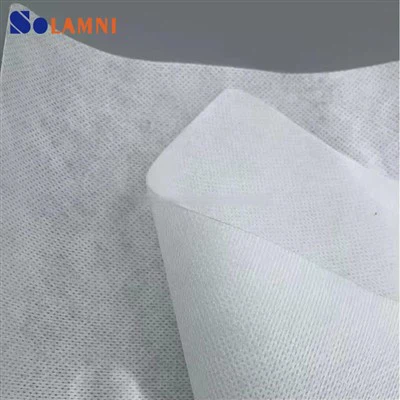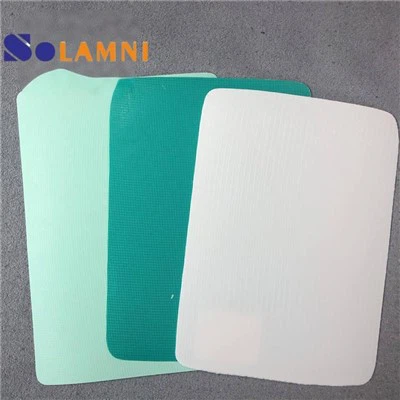
The design concept of foam fabric is rooted in a comprehensive consideration of material properties, usage needs, and industry trends, aiming to achieve an organic unity of soft cushioning, structural stability, and functional expandability.Its design does not simply pursue aesthetic appeal or the ultimate in a single performance metric, but rather revolves around four dimensions: "comfortable support, scene adaptation, technological feasibility, and sustainability," constructing a systematic creative logic from structure to application.
The primary concept lies in the integration of function and tactile feel. Based on the elastic recovery and shock absorption capabilities of porous foam, combined with the surface stability and skin-friendly properties of textile fabrics, the design requires a precise balance between the two: the density and pore size of the foam layer determine the cushioning strength and breathability, while the fiber composition and weaving structure of the surface fabric affect the smoothness of the touch and abrasion resistance. For example, designs for sports protective gear emphasize the rebound rate and compressive strength of the foam, using high-density polyester for the surface layer to enhance durability; while designs for home furnishings focus on the soft, enveloping feel of the foam and the breathability and skin-friendliness of the fabric, creating a warm and comfortable touch. This synergistic design of function and feel allows the foam fabric to meet both physical protection needs and deliver a delicate user experience.
Scenario adaptability is the core design principle. Different application scenarios have significantly different performance requirements for foam fabric: footwear linings need to balance lightweighting and arch support, so designs use a composite of thin, high-density foam and elastic knitted fabric to ensure a fit to the foot's curves while maintaining breathability; clothing shoulder pads emphasize shaping stability and freedom of movement, so designs use zoned density control (e.g., high density at the shoulders, low density at the edges) to achieve "hard support, soft transition"; industrial packaging foam fabrics need to highlight shock absorption and moisture resistance, so designs increase the foam pore size to improve breathability and moisture wicking, and cover the surface with tear-resistant fabric to enhance protection. During the design process, scenario modeling and performance simulation are necessary to predict the stress distribution and failure risks of materials in actual use, thereby optimizing structural parameters.
Process feasibility is a key constraint for design implementation. The composite process of foam fabric (adhesive bonding, hot pressing, and stitching) directly affects design freedom and cost: adhesive bonding is suitable for complex curved surface composites, but the adhesive layer thickness must be controlled to avoid affecting breathability; hot pressing can achieve adhesive-free composites, but has stringent requirements for temperature and pressure precision; stitching can enhance interlayer bonding, but may limit the softness of the foam. Therefore, process compatibility needs to be assessed in advance during the design process, for example, by adopting modular segmented designs to reduce composite difficulty, or by using texture presets to guide the adjustment of process parameters, ensuring that the design can be efficiently transformed into mass-produced products.
Sustainability concepts are increasingly being integrated into design logic. Facing the trend of green manufacturing, designs need to prioritize the application of recyclable materials (such as recycled polyester fibers and bio-based polyurethane foam), optimize foam density to reduce raw material consumption, and reduce transportation carbon emissions through structural lightweighting. Some designs also improve resource utilization efficiency by extending the product lifecycle (e.g., easy-to-clean surface treatments, replaceable surface fabrics), ensuring that the sponge fabric meets functional requirements while aligning with the requirements of a circular economy.
In summary, the design philosophy of sponge fabric is based on functional integration, guided by scenario adaptation, and bounded by technological feasibility and sustainability. Through the integration and innovation of multidisciplinary knowledge, the material becomes not only a performance carrier but also a bridge connecting user needs and industrial upgrading, continuously driving its in-depth development in the directions of comfort, professionalism, and greenness.