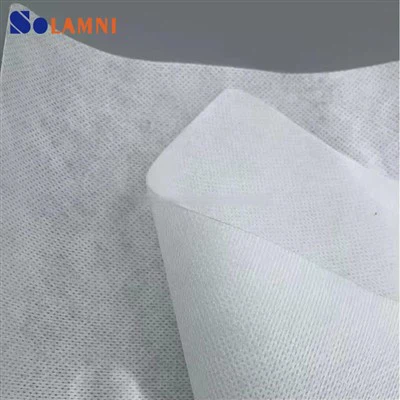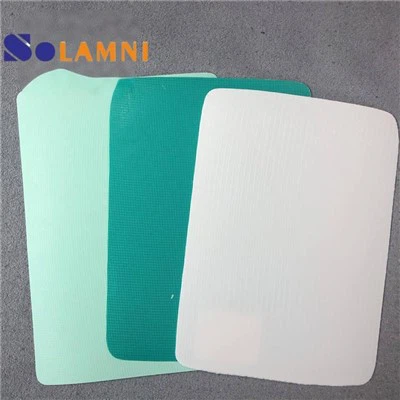
Non-woven insole boards are sheet-like functional materials made using non-woven processes, widely used in footwear manufacturing and related foot care fields.The manufacturing process involves fiber web formation, hot pressing, or chemical bonding, causing the fibers to entangle and form a stable structure. This eliminates the need for traditional textile processes, resulting in uniform and flexible boards that are lightweight, breathable, and highly malleable, playing a vital role in modern footwear and foot health products.
In terms of material composition, non-woven insole boards are mostly made from polyester fibers, polypropylene fibers, or natural plant fibers, and can be single-component or multi-component composites depending on the application. Polyester fibers provide good resilience and abrasion resistance, suitable for sports insoles that need to withstand repeated pressure; polypropylene fibers are lightweight and hydrophobic, often used in summer shoes to keep feet dry; the addition of natural fibers enhances skin-friendliness and environmental friendliness, meeting the needs of high-end or medical applications. By adjusting different fiber ratios and process parameters, the thickness, hardness, and breathability of insoles can be precisely controlled to match diverse shoe structures and wearing scenarios.
In terms of functional characteristics, non-woven insoles exhibit significant advantages in breathability and moisture wicking. The porous structure between fibers promotes air circulation, accelerates the removal of heat and moisture from the shoe, and reduces odor and skin discomfort caused by stuffiness. Simultaneously, its moderate elasticity and support can distribute pressure on the sole of the foot during walking or exercise, relieving localized fatigue, which is beneficial for people who stand or walk for long periods. Some products also feature surface textures or raised/uneven structures to enhance fit to the sole, improving slip resistance and stability.
Process adaptability is another highlight of non-woven insoles. The material is easy to cut, thermoform, and laminate with other functional layers, such as antibacterial coatings, cushioning foam, or orthotic support modules, thus expanding into multifunctional insole solutions. Its production process has relatively low energy consumption, and waste can be recycled, aligning with industry trends of green manufacturing and sustainable development.
Overall, non-woven insole boards have become an important basic material in footwear design and foot health due to their advantages such as lightweight breathability, elastic support, flexible processing and environmental friendliness, and continue to play a key role in various scenarios such as sports, leisure, medical and industrial protection.