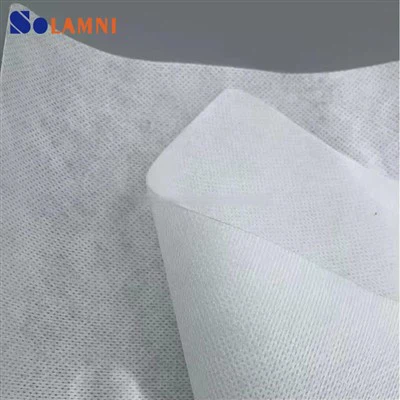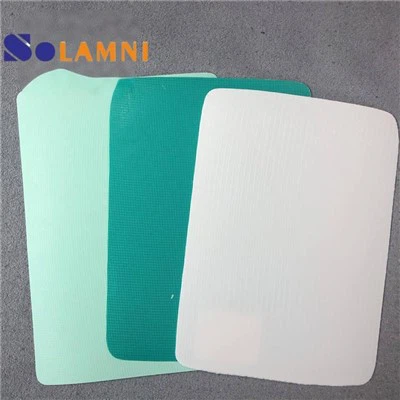
Nonwoven insoles, as a crucial carrier of nonwoven technology in footwear and foot care products, offer value not only in their individual physical advantages but also in providing a comprehensive solution that combines economy and functionality for industrial applications, user experience, and health protection.Through a deep integration of material properties and scenario requirements, they play an irreplaceable role in modern footwear manufacturing and related fields.
In terms of material performance, nonwoven insoles are characterized by lightweight, breathability, elastic support, and durability. Their fibrous mesh structure efficiently dissipates heat and moisture within the shoe, keeping feet dry and reducing the risk of bacterial growth and odor. Moderate rebound and pressure distribution help alleviate foot fatigue caused by prolonged walking or standing, positively impacting both sports protection and daily comfort. Compared to traditional textiles or multi-layered composite insoles, they reduce the burden on the shoe while maintaining functionality, freeing up more space and creative possibilities for shoe design.
At the industrial application level, non-woven insoles offer strong processing adaptability, low energy consumption in manufacturing processes, and high raw material utilization, aligning with green manufacturing and sustainable development concepts. Their ease of cutting, thermoforming, and integration with functional layers enable footwear companies to quickly respond to segmented market demands, shorten product development cycles, and reduce manufacturing costs. This flexibility and economy have driven the widespread adoption of insoles across various categories, including sports, leisure, outdoor, industrial and mining protection, and medical orthotics, expanding the functional boundaries and added value of the footwear industry.
In terms of health and social value, non-woven insoles can provide targeted support for specific groups. For example, in the field of medical orthotics and rehabilitation, they can be combined with ergonomic design to provide arch support and forefoot decompression, helping to improve gait and reduce pathological risks. In high-humidity or heavy-duty working environments, their protective and comfortable properties can improve workers' foot health and work tolerance. Furthermore, some products are biodegradable or recyclable, reducing long-term environmental impact and reflecting corporate social responsibility and eco-friendly principles.
In summary, non-woven insole boards, based on performance advantages, extend to industrial and economic value, and are further enhanced by health and environmental benefits, constructing a complete value chain from material research and development to end-use applications. They are not only key components for improving footwear comfort, but also an important force driving industry innovation, meeting diverse needs, and practicing sustainable development.